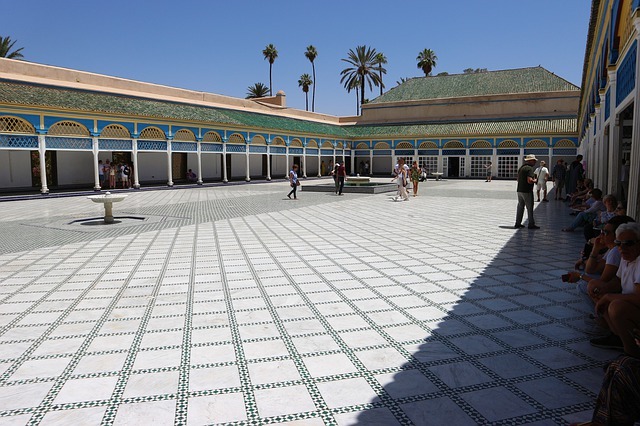
Morocco
Population: More than 30 million people, divided among Arabs, Berbers, and Moors. Language: Arabic, Berber, and often French and Spanish. Main cities: Rabat (capital), Fez, Agadir, Casablanca, Tangier, Marrakech, Essaouira, Tafraout) King of Morocco: Mohammed VI Main economic activities: agriculture, mining, tourism, fishing. Practical Morocco: Visa, Health, Currency Visa: For a stay of three months…
Population:
More than 30 million people, divided among Arabs, Berbers, and Moors.
Language: Arabic, Berber, and often French and Spanish.
Main cities: Rabat (capital), Fez, Agadir, Casablanca, Tangier, Marrakech, Essaouira, Tafraout)
King of Morocco: Mohammed VI
Main economic activities: agriculture, mining, tourism, fishing.
Practical Morocco: Visa, Health, Currency
Visa: For a stay of three months or less, a valid passport is required.
Health: Morocco is one of the countries of the African continent that pose the least health problems for the traveler. There is a slight risk of malaria on the northern coast.
Currency: Dirham
Time difference: – 1 hour compared to France (GMT)
Weights and measures: metric system
Electricity: 220 volts (110 volts in some rare places)
The weather
Casablanca: 12°C in winter and 25°C in summer, but sometimes much more in the center of the country. The coastline is softened by sea breezes. Beware of rainfall in the Rif and the bite of the Middle Atlas.
The best periods to visit: Unquestionably spring (April to May) and autumn (September to October). Summer is very pleasant on the coast (if you are not afraid of the tourist crowds), but very hot inland. Similarly, winter days can be very pleasant, but the nights are freezing.
Annual religious events:
Governed by the lunar calendar of the Hegira.
- Ras as-Sana (New Year of the Hegira year, between April and May);
- Mouloud (Prophet’s birthday, between June and July);
- Ramadan (between November and January and ends with the feast of Eid el-Kebir (ritual sacrifice of a sheep, around March-April).
The Berber festivals. - Moussem of Sidi Mohammed in Tan-Tan. Nice opportunity to meet the Touaregs, nomads of the Sahara (end of May, beginning of June);
- Moussem in Goulimine with its camel market.
To do in Morocco (apart from cultural visits):- Hiking in the Toubkal massif, in the High Atlas or in the Rif mountains;
- Skiing in the Oukaimeden resort (70 km from Marrakech);
- Rafting in the Atlas Mountains;
- Surfing and windsurfing in Essaouira.
Moroccan gastronomy: Couscous, Tajines, Méchoui, Pastilla
Very rich and tasty, the basic food is made of dates, milk and bread. The olives, hazelnuts, almonds, fruits and olive oil were borrowed from the Andalusians and the Arabs enriched it with spices to spice up the dishes.
The main dishes are Couscous, made with steamed semolina, meat, flavored vegetables and harissa (a spicy condiment); Tajines, meat stews flavored with herbs; Méchoui, roasted lamb accompanied by liver skewers; Pastilla, pigeon pie with egg, lemon, almonds, cinnamon, saffron and sugar and of course a wide range of pastries made with honey, almonds and cinnamon